Modern Hermetic Calm
When the border reads your memories, who gets to cross?!
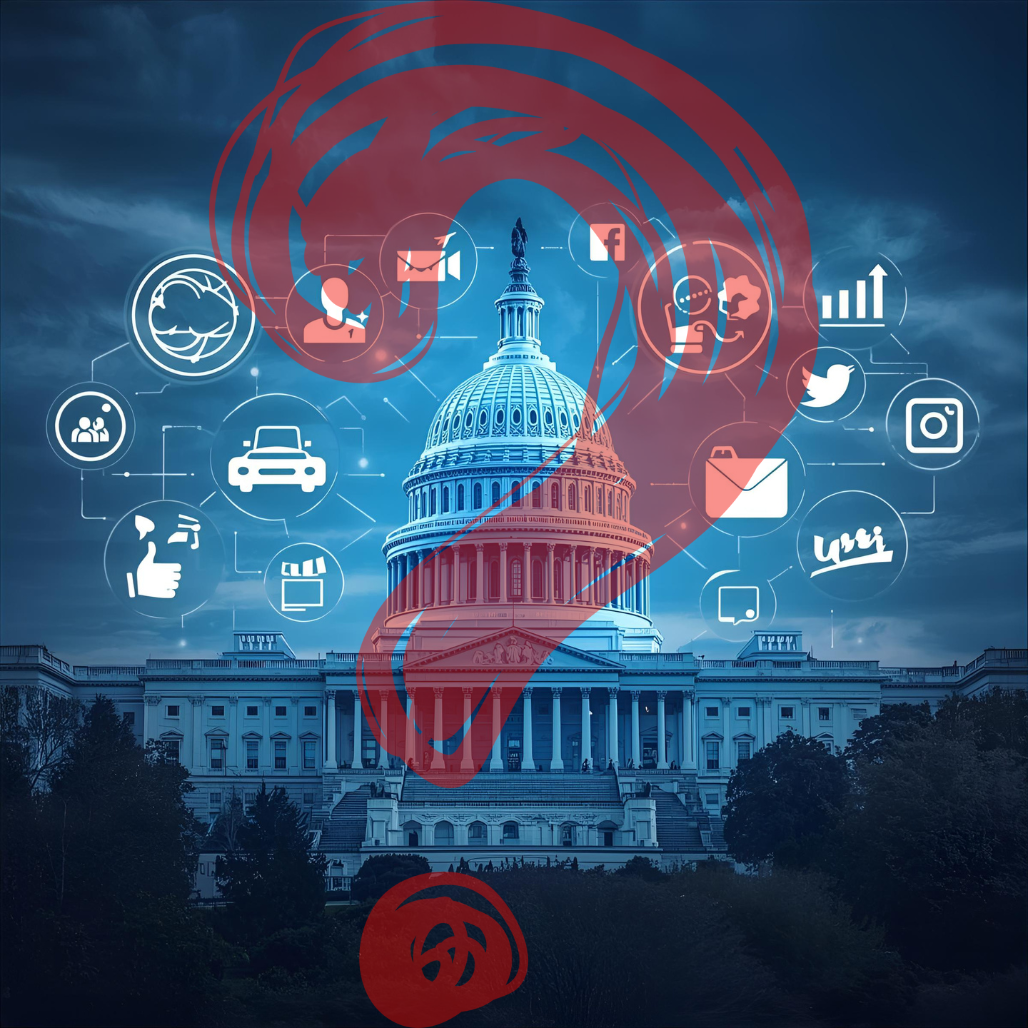
The Trump administration is proposing sweeping changes to the Electronic System for Travel Authorization (ESTA), requiring visitors from 42 visa-waiver countries to submit five years of social media history before entering the United States. Citizens of nations including the United Kingdom, Germany, France, Australia, Japan, and South Korea would be affected. The proposal transforms ESTA into a mobile-only system that would also collect ten years of email addresses and immediate family members' personal information.
The Department of Homeland Security announced a plan to overhaul the visa waiver program's entry process. Currently, citizens of 42 countries can visit the U.S. for up to 90 days without a traditional visa by submitting an ESTA application online. The new proposal would require mandatory submission of five years of social media history, ten years of email addresses, and detailed information about immediate family members including phone numbers and residences.
The submission of social media history from the last five years will be a mandatory requirement under the proposal.
Customs and Border Protection states the changes enforce an executive order aimed at denying entry to foreigners who may pose threats to national security or public safety. Critics worry the proposal could discourage tourism, particularly as the U.S. prepares to co-host the 2026 FIFA World Cup. The changes still require review by the White House budget office before implementation.
Critics said they could scare prospective travelers and negatively impact tourism, especially months before the U.S. hosts the 2026 FIFA World Cup.
Why This Story Has The Potential To Freak People Out
This proposal triggers multiple psychological pressure points. The idea of government agents scrolling through five years of your posts, photos, jokes, and conversations activates deep privacy concerns. Most people can't even remember everything they've posted across multiple platforms over five years... much less control how those posts might be interpreted out of context by security officials.
The timing creates additional anxiety. With the 2026 World Cup approaching, many people have already made travel plans. The uncertainty about implementation creates a limbo state where people don't know whether their summer trip is suddenly at risk.
There's also the reciprocal fear. If the U.S. requires this from visitors, other countries may implement similar measures for Americans traveling abroad. The mental image of preparing a social media dossier before every international trip feels dystopian to many.
Hermetic Interpretation
Mentalism: All policy is rooted in mental models about security, privacy, and national identity. The Trump administration operates from a mental framework that prioritizes extensive vetting over ease of travel. Understanding that this policy emerges from a particular worldview helps you recognize it as one possible approach, not an inevitable reality. The mental universe of "maximum security through maximum information" is being projected into physical policy.
Polarity: Security and freedom exist on a continuum, not as absolutes. This proposal swings the pendulum dramatically toward the security pole. Every policy sits somewhere on this spectrum... "total openness" and "total lockdown" are theoretical endpoints that don't exist in practice. Recognizing this helps you avoid catastrophizing. Policies can be adjusted, amended, or reversed. The pendulum swings.
Rhythm: Immigration policy follows predictable cycles of restriction and openness. Post-9/11 saw increased vetting. The mid-2010s saw some relaxation. Now we're seeing another restrictive swing. Understanding this rhythm doesn't make the current proposal less concerning, but it provides historical context. Nations oscillate between welcoming and restrictive immigration postures based on perceived threats, economic conditions, and political leadership.
Cause & Effect: This proposal doesn't emerge from nothing. It's a response to executive orders, which were responses to campaign promises, which were responses to voter concerns about border security and terrorism. Understanding the causal chain helps you identify leverage points. If you oppose this policy, you can engage with the public comment period for the regulation, contact representatives, or support organizations working on immigration reform.
Correspondence: As above, so below. What happens at the national policy level reflects individual attitudes about trust, privacy, and the stranger. If you find yourself supporting extreme vetting of visitors, examine whether you approach unfamiliar people in your own life with similar suspicion. If you're horrified by the proposal, consider whether you're extending trust appropriately in your personal sphere.National policy typically mirrors collective psychology.
How Hermeticism Helps In Practical Terms
The Hermetic principles offer specific tools for processing this news without losing your equilibrium.
Mentalism reminds you that policy originates in consciousness and can be changed by consciousness. You're not powerless. Public comment periods, advocacy, and voting are all ways to influence the mental universe that creates policy.
Polarity prevents black-and-white thinking. You can simultaneously understand security concerns and oppose this specific implementation. You can support border management while rejecting excessive surveillance. Holding both poles in awareness gives you nuanced perspective.
Rhythm provides emotional steadiness. This too shall pass... not because you ignore it, but because you recognize it as part of a larger cycle. Restrictive phases give way to more open phases. Your job is to respond appropriately in the present while maintaining long-term perspective.
Cause & Effect directs your energy toward effective action. Posting angry reactions on social media might feel satisfying but changes nothing. Submitting formal comments during the regulatory review period, supporting advocacy organizations, or contacting elected officials are causes more likely to produce desired effects.
Correspondence invites self-examination. Are you approaching strangers in your life with unexamined suspicion or inappropriate trust? National policy reflects collective consciousness... which includes your consciousness.
How To Process This Without Losing Your Center
First, get clear on whether this actually affects you. If you're not planning to travel to the U.S. from a visa-waiver country in the near future, this is information to track, not an immediate crisis requiring emotional processing.
If it does affect you, separate facts from fears. The proposal hasn't been implemented yet. It requires White House budget office review. Public comment periods may lead to modifications. You don't need to generate anxiety about hypothetical worst-case scenarios.
Practice the Hermetic principle of Rhythm by recognizing your own emotional oscillation. You might feel outraged today, resigned tomorrow, and determined the day after. All of these are valid responses moving through your system. Don't judge yourself for having different reactions at different moments.
Use Cause & Effect to channel concern into action. If you oppose the proposal, submit a formal comment during the public comment period. Support organizations like the Electronic Frontier Foundation or immigration advocacy groups. If you support increased vetting, recognize that public comment works both ways.
Most importantly, don't let this news colonize your entire mental landscape. You can be informed and engaged without being consumed. Set boundaries around news consumption. After reading this article, you're informed. You don't need to read seventeen more hot takes to be more informed.
What Can You Do? (If You Feel So Inclined)
Support privacy and immigration advocacy organizations that work on these issues professionally. Groups like the ACLU, Electronic Frontier Foundation, and immigration law centers have resources and expertise you don't.
Contact your representatives if you're a U.S. citizen. Congressional oversight influences executive branch policy. Your senators and representative work for you.
👉🏼 Find and Contact Your Senators
Adjust your travel plans if necessary. If you're affected by the proposal and uncomfortable with the requirements, you can choose to travel elsewhere. Voting with your tourism dollars is a legitimate response.
Practice good digital hygiene regardless of the proposal. Review your social media settings, delete old posts you no longer stand behind, and maintain awareness that anything you post online can potentially be accessed. This isn't surrender to surveillance... it's basic digital literacy.
Stay informed about implementation. The proposal must go through review processes. Follow trusted news sources to know if and when it actually becomes policy.